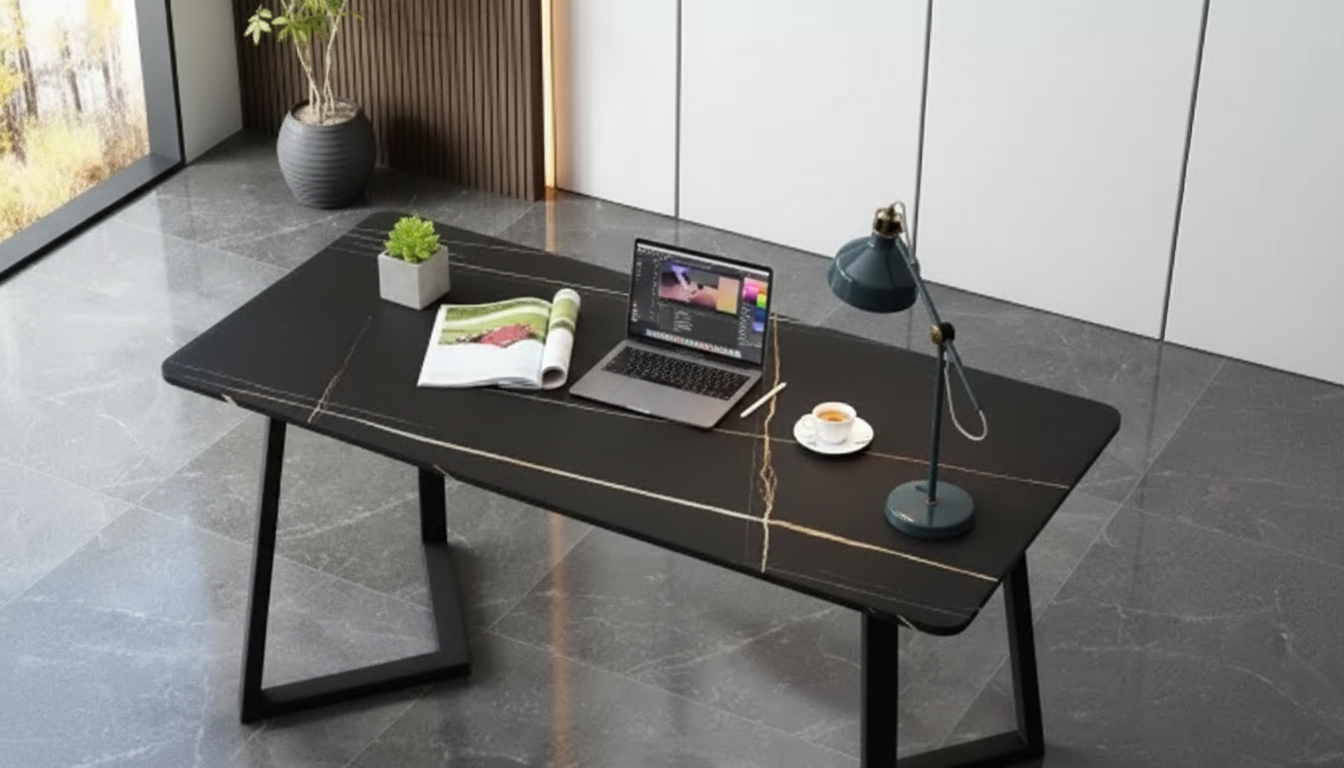
A modern minimalist wooden dining table adds warmth without visual clutter—ideal for open-plan living, small dining nooks, and calm, design-forward homes. The best options balance proportion, durable materials, and a finish that fits daily life, from quick breakfasts to hosting friends. When the form is simple, every detail matters: the grain pattern, the edge profile, the leg placement, and how comfortably chairs slide in and out.
Minimalist doesn’t mean cold or plain—it means intentional. A table earns that “modern minimalist” label when the design stays focused on function, proportion, and honest materials.
If you’re shopping for a streamlined centerpiece that feels warm rather than fussy, the Modern Minimalist Wooden Dining Table is a strong starting point for a balanced, everyday dining setup.
Even the most beautiful table won’t feel “right” if the size fights the room. A few planning baselines make sizing far easier before you commit.
| Seats | Typical Table Length | Typical Table Width/Depth | Minimum Clearance Around Table |
|---|---|---|---|
| 2–4 | 48–60 in | 30–36 in | 36 in |
| 4–6 | 60–78 in | 34–40 in | 36–42 in |
| 6–8 | 78–96 in | 36–42 in | 42 in |
For apartments and open-plan spaces, that clearance guidance matters as much as the table dimensions—especially if the dining zone shares traffic with the kitchen.
The “wooden table” category is broad. Performance depends on both the underlying material and the topcoat that protects it.
If sustainability is a priority, look for responsibly sourced wood; the Forest Stewardship Council (FSC) explains what FSC certification means and why it matters. For households sensitive to chemicals, it can also help to choose finishes and cleaning products aligned with programs like EPA Safer Choice.
A minimalist table base can look nearly invisible—or intentionally sculptural. Either way, it needs to feel stable and support how you actually sit.
One practical test: imagine every seat in use at once. Will anyone bump a support when crossing legs, sliding in, or getting up?
To extend the minimalist feel beyond the dining area, coordinate adjacent pieces with similar tones and simple silhouettes—like the Scandinavian-Style Retro Wooden TV Stand for living spaces that flow into the dining zone.
For a deeper look at how humidity affects wood, the National Wood Flooring Association offers a clear overview that applies to wood furniture as well.
If your dining space doubles as a work zone, a compact piece like the Cinnamon Cherry Finish Computer Desk with Storage can carry the warm-wood story into your day-to-day setup without adding bulk.
A good planning baseline is about 24 inches of table edge per person, which often translates to 2–4 seats at 48–60 inches long and 6–8 seats at 78–96 inches long. Chairs with arms or wider frames usually require extra space per seat.
Sealed matte or satin finishes are typically the easiest for everyday use because they wipe clean and resist staining better than untreated surfaces. Oil finishes can look rich and natural, but they generally require more frequent maintenance.
Aim for about 36 inches from the table edge to walls or furniture so chairs can pull out comfortably. For high-traffic paths or open-plan circulation, 42 inches or more feels noticeably better.







Leave a comment