
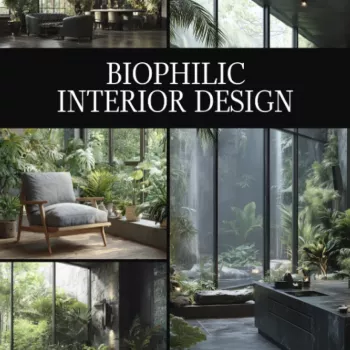
Elevated biophilic styling balances living greenery with refined materials, intentional spacing, and gallery-level composition. The goal is for plants to read like design—calm, curated, and proportional—rather than “extra stuff” added after the room was finished. With the right hierarchy, planter choices, and a few maintenance habits, indoor plants can deliver that boutique-hotel feeling while still being practical for real homes.
Luxury is often defined by restraint. When greenery is styled with the same discipline as art and lighting, it looks intentional—even in everyday spaces.
Not every plant reads as “high-end” in every setting. The most polished results come from picking a role first—then selecting a plant that can thrive in the available light (a key part of biophilic success and comfort-focused interiors).
| Placement | Best plant role | Ideal visual effect | Planter direction |
|---|---|---|---|
| Entry/foyer | Hero statement plant | Immediate elevated welcome | Tall, weighty planter in stone/ceramic; keep palette neutral |
| Living room corner | Vertical sculptural form | Height and balance near seating | Matte finish; coordinate with metals in lighting/hardware |
| Console or credenza | Medium rounded plant | Softens hard edges; adds depth | Low bowl or cylinder; repeat wood tone or lacquer color |
| Shelves | Small accent plant | Rhythm and punctuation | Minimal cachepot; avoid busy patterns |
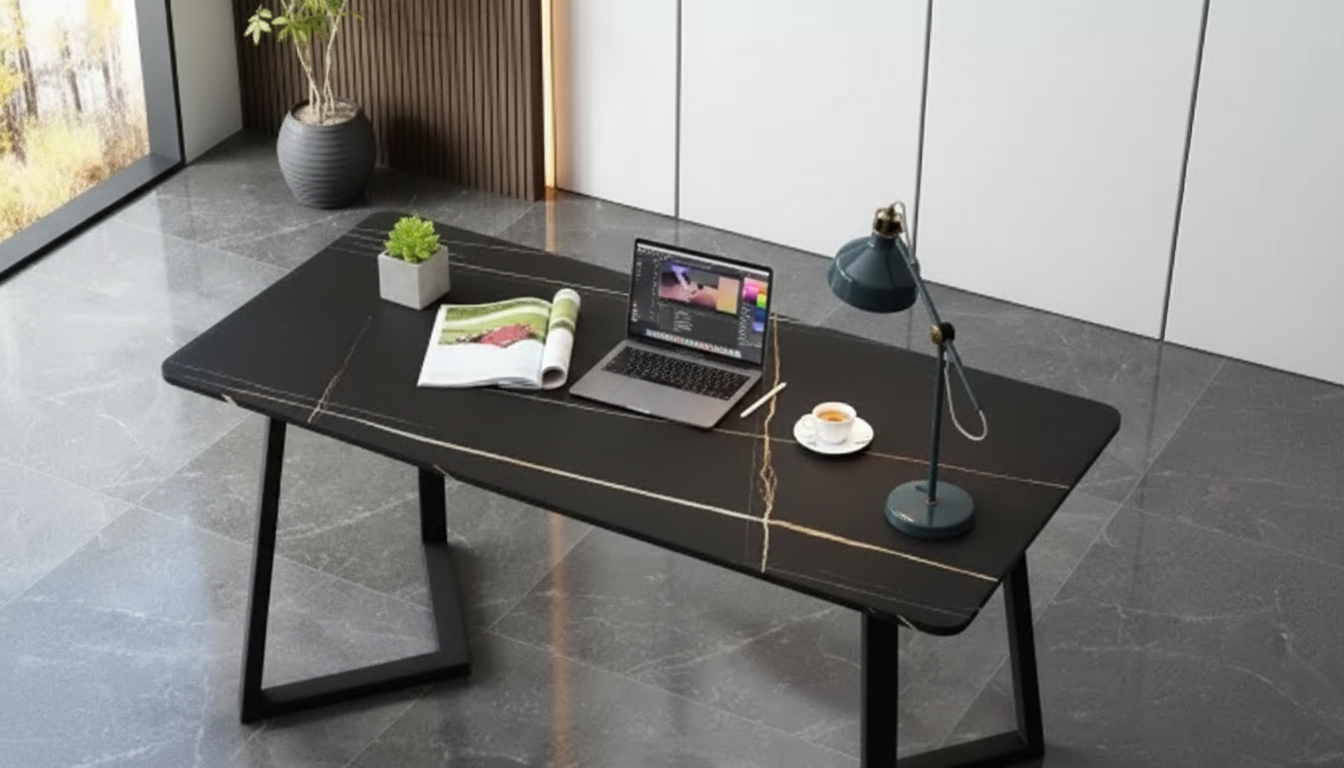
| Desk | Micro accent or single cutting | Calm focus without clutter | Small, clean-lined planter; protect surfaces with a tray/coaster |
| Bathroom | Humidity-loving accent | Spa-like atmosphere | Glass/stone; keep silhouettes simple |
For a deeper look at how nature-forward interiors support comfort and wellbeing, see Terrapin Bright Green’s 14 Patterns of Biophilic Design. For foundational research often referenced in indoor plant discussions, explore NASA’s interior landscape plant study.
Think like a curator: the plant is the “piece,” the planter is the “frame,” and the surrounding space is part of the composition.
Planters signal quality instantly. A well-scaled planter in a refined finish can elevate even a simple plant variety.
Use one hero floor plant in a corner, one medium plant on a console, and one small shelf accent. Keep planters in a coordinated finish family, then let wood pieces carry warmth—like the Scandinavian-Style Retro Wooden TV Stand, which pairs beautifully with stone or matte ceramic planters.
One micro plant plus one medium plant is usually enough. Position greenery slightly off-screen from the primary monitor to reduce visual distraction, and let the desk surface stay clean—especially with streamlined pieces like the Cinnamon Cherry Finish Computer Desk with Storage.
If you want a clear plan before buying planters or rearranging furniture, Biophilic Luxe: Indoor Plant Styling Guide (Digital Download) focuses on composition, proportion, and materials that help greenery read as intentional decor. It’s designed to be quick to reference during a refresh day—map placements, refine vignettes, then finish with light maintenance for a pristine result.
Often 1–3 is ideal: one hero plant, one supporting medium plant, and one small accent. The negative space between them is what makes the room feel curated, and healthy plants always look more luxurious than a higher quantity.
Stone or ceramic planters in matte or lightly textured finishes look elevated, especially with clean silhouettes and scaled proportions. Keep metals cohesive (one finish family) and skip overly busy patterns that compete with the room’s materials.
Choose one vertical statement or create a single “pedestal moment,” then keep surfaces uncluttered. Use cachepots to conceal plastic nursery pots and match planter finishes to existing decor so the greenery looks designed-in rather than squeezed in.









Leave a comment