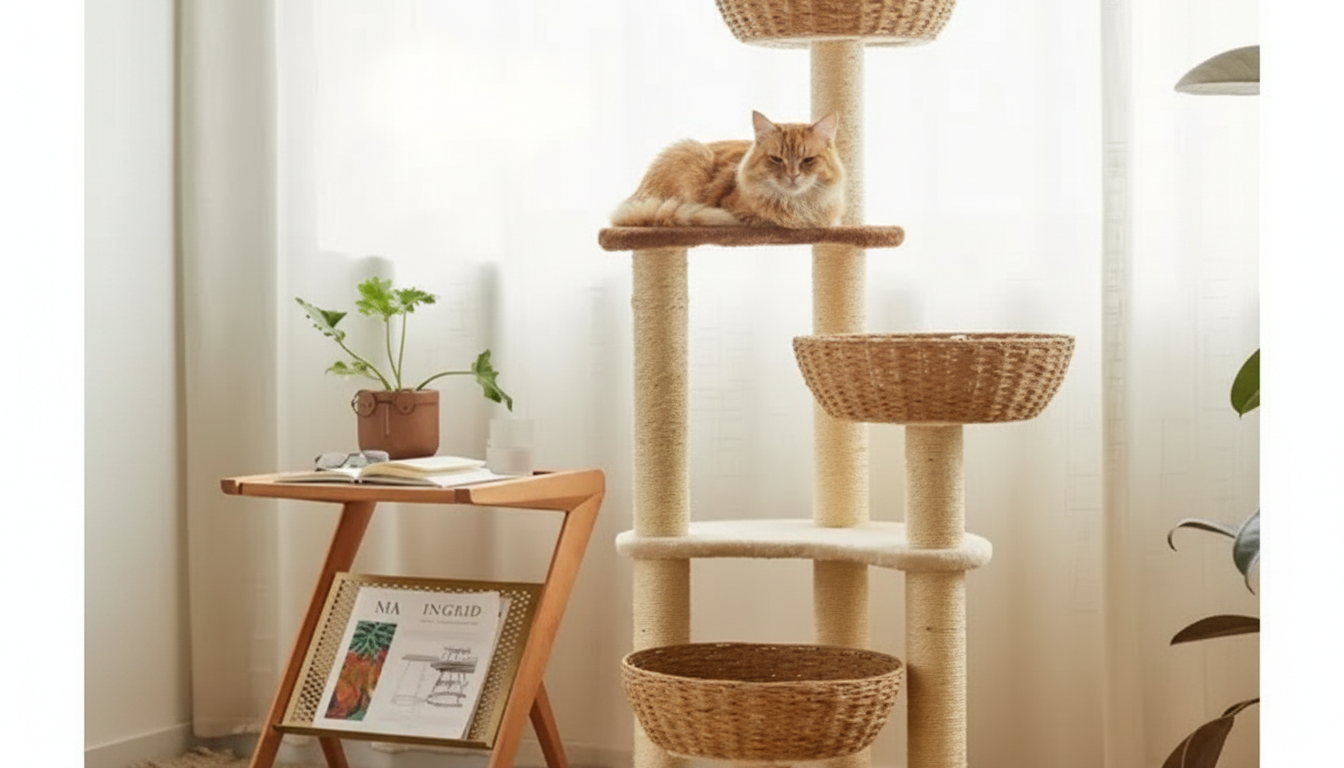
A rattan cat tree brings a calm, natural look to a room while giving cats vertical territory for climbing, perching, and resting. Japanese-inspired design tends to emphasize warm neutrals, airy structure, and simple lines—making it easy to place in living rooms and bedrooms without the bulky “pet furniture” feel. If your goal is to add enrichment without disrupting a minimal space, woven rattan is one of the most decor-friendly ways to do it.
Japanese-influenced interiors often rely on quiet texture instead of loud patterns, and rattan naturally supports that approach. The result is a cat tower that looks intentional—more like a sculptural accent than a utilitarian add-on.
For cats, height can be calming. For people, the understated structure makes it easier to keep the room feeling composed.
Placement is the difference between a cat tree that’s “nice to have” and one your cat actually chooses all day. Cats repeat what works: good views, comfortable light, and easy access.
If your home layout allows, aim for a “social distance” spot: not in the center of foot traffic, but still visible enough that your cat feels included.
A woven cat tree should feel smooth, stable, and predictable underfoot. Before checkout, focus on the parts that affect daily confidence—especially for enthusiastic jumpers or older cats who prefer steady platforms.
| What to check | Why it matters | Practical tip |
|---|---|---|
| Base stability | Reduces tipping during running jumps | Set it on a hard, level floor; test for wobble after assembly |
| Platform spacing | Supports safe climbing and confident movement | Look for steps/perches that are easy to reach for your cat’s age |
| Woven edges/finish | Prevents snags and paw discomfort | Scan photos for clean trim; avoid exposed rough ends |
| Cleaning access | Helps keep the tree inviting long-term | Use a brush attachment weekly; spot-clean as needed |
| Room placement | Boosts use and reduces unwanted scratching | Put it where the cat already likes to rest or watch outside |
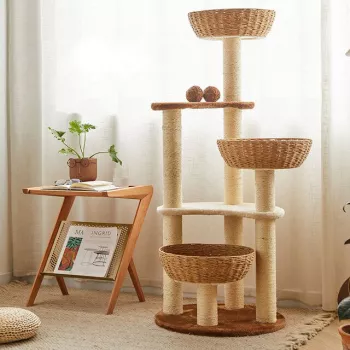
If you’re ready to commit to a decor-forward tower that suits minimalist interiors while still giving your cat real vertical enrichment, consider the Japanese Style Rattan Cat Tree. It’s currently in stock at $750.01 (USD). For exact measurements, materials, and included platforms, confirm the details on the product page before ordering.
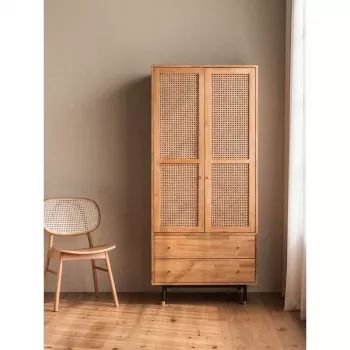
To keep a cohesive room palette, you may also like pairing it with wood storage and clean-lined furniture such as the Scandinavian-Style Retro Wooden TV Stand, which complements warm neutrals and natural textures.
Well-finished rattan is generally suitable for climbing, but it should be smooth, sturdy, and free of sharp ends or frayed weaving. Supervise initial use to confirm confident footing, and keep claws trimmed to reduce snagging and wear.
Place it near a window or in your cat’s favorite room, ideally in a visible but low-traffic spot. If your cat scratches a specific area, position the tree nearby and reward use, and make sure the base stays stable with a level floor or non-slip pad.
Vacuum with a brush attachment, then use a soft brush to lift dust from the weave; spot-clean with a lightly damp cloth and dry promptly. Avoid soaking the rattan or using harsh chemicals that can weaken the fibers.







Leave a comment