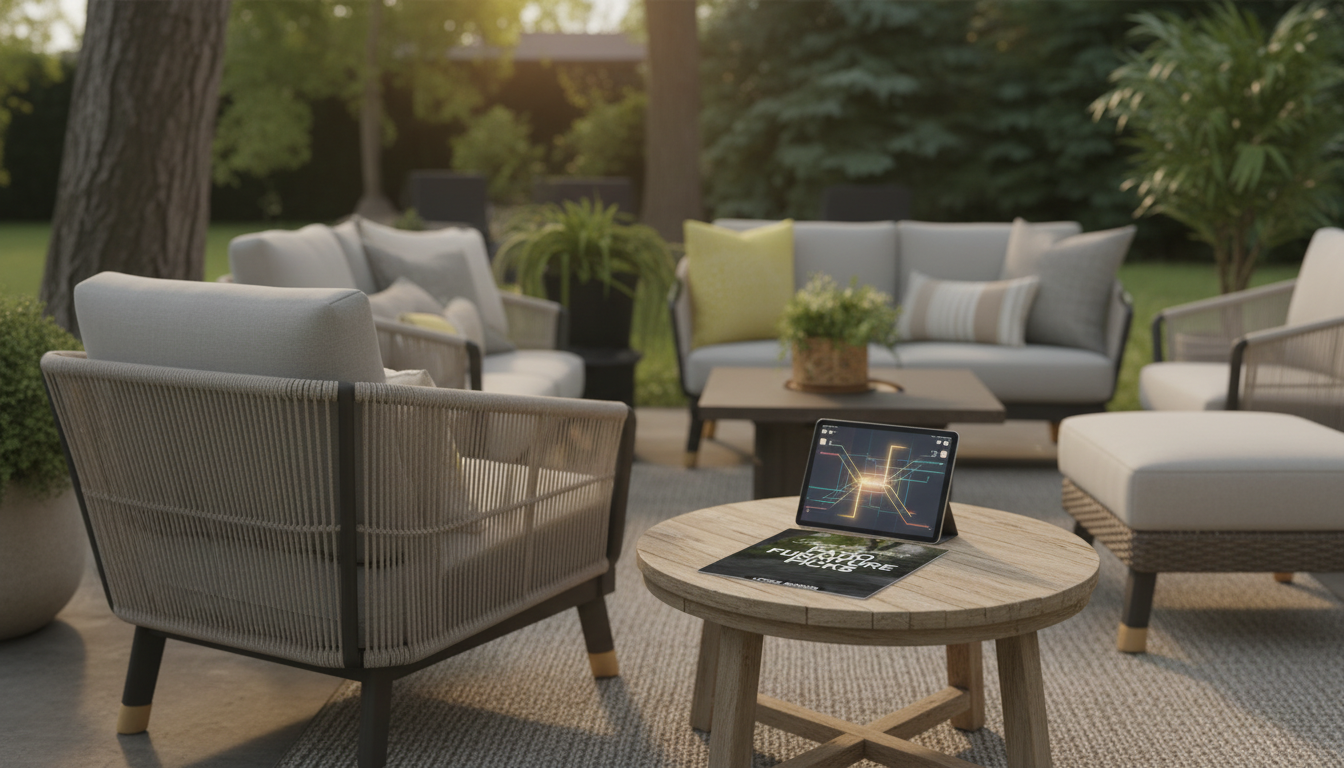
Best Outdoor Patio Furniture Picks Guide (Digital Download): Styles, Materials, and AI Patio Design
Outdoor furniture choices get easier when the space, climate, and lifestyle are defined first—then style and materials can follow with fewer compromises. This digital download is built to help narrow options quickly, compare common materials, and translate a mood board into a workable layout using AI-assisted patio design steps.
What This Digital Download Helps Solve
- Match patio furniture styles to the architecture and vibe of the home (modern, coastal, farmhouse, boho, traditional, resort).
- Compare materials by durability, weather resistance, maintenance level, comfort, and cost.
- Avoid common layout mistakes: oversized sets, blocked walkways, and seating that doesn’t fit real-life use.
- Use a simple AI workflow to test furniture silhouettes, color palettes, and layout ideas before buying.
Instead of starting with a giant “patio set” and hoping it fits, the guide focuses on choosing the right piece types and approximate dimensions first—so your final look feels cohesive, comfortable, and easy to live with.
Start With the Space: Measurements, Traffic Flow, and Use Cases
- Measure the usable footprint (exclude grill clearance zones, planters, gates, and door swing).
- Keep clear paths: prioritize comfortable walkways between seating, dining, and entry points.
- Define the primary use: dining for 4–8, lounging, conversation circle, poolside, or mixed zones.
- Plan shade and glare: umbrellas, pergolas, and sun direction influence fabric and finish choices.
- Consider storage: where cushions live during storms, winter, or pollen season.
Quick Picks by Space and Lifestyle
| Space/Use |
Best Furniture Types |
Good Material Choices |
Notes |
| Small balcony |
Bistro set, stackable chairs, slim bench |
Powder-coated aluminum, HDPE resin, compact steel |
Choose folding/stacking pieces; prioritize light weight. |
| Open patio for entertaining |
Sectional + lounge chairs + side tables |
Aluminum frames, all-weather wicker, teak accents |
Anchor with an outdoor rug; add movable drink tables. |
| Dining-forward setup |
Table + 4–8 chairs, buffet cart |
Teak, aluminum, high-quality steel (protected) |
Check chair clearance and legroom; avoid bulky arms. |
| Poolside |
Chaise lounges, low tables, cabana-style seating |
Aluminum, HDPE resin, sling fabrics |
Fast-drying fabrics and non-slip feet matter most. |
| Windy/salty coastal area |
Low-profile seating, heavier tables |
Aluminum, marine-grade hardware, HDPE |
Avoid untreated steel; rinse regularly to reduce salt buildup. |
| Cold winters / freeze-thaw |
Modular sets, easy-to-store pieces |
Aluminum, HDPE, teak (with care) |
Plan seasonal storage; avoid water-trapping designs. |
Outdoor Furniture Styles That Stay Cohesive
- Modern: clean lines, low profiles, mixed textures (metal + teak), neutral cushions.
- Coastal: airy frames, light woods/whites, woven textures, blue/white palette.
- Farmhouse: sturdy silhouettes, warm wood tones, black metal accents, striped cushions.
- Boho: layered textiles, mixed materials, lower seating, earthy tones and patterns.
- Traditional: deeper seating, classic proportions, symmetrical arrangements, rich neutrals.
- Resort: oversized lounge pieces, canopy/shade features, tonal palettes, plush cushions.
A simple way to keep mixed pieces from looking mismatched: repeat two elements across the whole patio (for example, a consistent frame color plus one warm accent like teak, tan rope, or a sand-toned textile).
Materials Breakdown: Frames, Tabletops, and Weaves
- Aluminum: lightweight, rust-resistant, excellent for humid and coastal areas; choose powder-coated finishes and quality welds.
- Steel/iron: heavier and stable; requires strong protective coating to prevent corrosion; better for covered patios or mild climates.
- Teak and hardwoods: naturally durable; weather to a silver patina unless maintained; verify responsible sourcing when possible (look for programs like FSC).
- All-weather wicker (synthetic resin): comfortable, classic look; performance depends on weave quality and UV resistance; pair with rust-resistant frames.
- HDPE resin (poly lumber): highly weather-resistant, low maintenance, often heavier; can look substantial and resist fading well.
- Concrete/stone: excellent stability and look; confirm sealing needs and weight limitations for decks/balconies.
When comparing materials, don’t stop at the headline label. Coatings, hardware, and testing standards matter; organizations like ASTM International publish widely used material and performance standards that influence product quality across categories.
Cushions and Fabrics: Comfort That Survives the Season
- Foam and fill: quick-dry foam or reticulated foam improves performance in wet climates; denser foam supports longer lounging.
- Fabric basics: solution-dyed acrylics and performance fabrics resist fading better than standard polyester in full sun.
- Construction checks: removable covers, zipper quality, and reinforced seams improve longevity and cleanability.
- Color strategy: mid-tones hide pollen and dust; very light fabrics show mildew and stains sooner; very dark fabrics can feel hotter in direct sun.
- Practical add-ons: furniture covers, deck boxes, and extra throw pillow covers for quick seasonal refreshes.
Weather and Maintenance Planning
AI Patio Design Workflow (Simple, Practical, Repeatable)
What’s Included in the Digital Download
Shop Related Picks
FAQ
Which outdoor furniture material lasts the longest?
Longevity depends on climate and maintenance, but powder-coated aluminum, HDPE resin (poly lumber), and high-quality teak tend to perform exceptionally well. Pay attention to coatings, weld quality, and hardware, since those details often determine how long a set holds up.
What’s the easiest outdoor furniture to maintain?
Powder-coated aluminum and HDPE resin are typically the lowest-upkeep options because they resist rust, moisture issues, and fading. A quick rinse or wipe-down plus dry cushion storage during storms covers most routine maintenance.
How can AI help plan a patio layout before buying?
Using exact measurements and a few reference photos, AI can help generate multiple layout concepts, test furniture scale, and explore color/material combinations. The most useful outcome is a practical shopping list of piece types and approximate dimensions that fit your walkways and use cases.
Recommended for you








Leave a comment